


What is Renters Insurance and Why is It Necessary for Every Renter?
Many individuals are wary about the use of insurance in real estate. This is why we see most people, especially renters, asking: what is renters insurance?
Renters insurance, also known as tenant insurance, is an insurance policy designed to provide coverage to individuals who are renting a house, apartment, or condo. It would be important to understand that the landlord insurance policy only protects the owner’s physical structure, not the specific tenant’s belongings or liability. A typical policy provides coverage for all the listed areas at the previous point, often for only a small price.
Table of Contents
What Is Covered by Renters Insurance?
A standard renters insurance policy is also called an HO 4 plan. This plan has three main parts to protect you.
The first part is personal property coverage. This part protects your private belongings like furniture, clothes, computers, and appliances. It helps if these things get damaged or stolen. It covers specific events like a fire, smoke, vandalism, or water leaks from your pipes. This protection even stays with you when you leave your home. For example, it covers items stolen from your car while you are on a trip.
The second part is personal liability protection. This protects you if you are legally responsible for hurting someone or damaging their property. If a guest slips and falls in your apartment, this coverage can help. It can also cover you if your dog accidentally bites someone. The policy will help pay for medical bills and legal fees. Most policies offer a starting limit of one hundred thousand dollars.
The third part covers additional living expenses. This is also known as loss of use coverage. It helps if a disaster makes your home unsafe to live in. For instance, a major fire might force you to move out for a while. This part pays for your hotel room and restaurant meals while your apartment is being fixed.
What Is Liability Coverage for Renters Insurance?
Liability coverage is a very important part of your policy. It acts as a shield for your hard earned savings.
Accidents can happen at any time in your rented home. Imagine a visitor trips on a rug and breaks their arm. They might face a very expensive hospital bill. If you are found responsible, you do not have to pay that bill alone. Your liability coverage steps in to handle the medical costs.
This protection also covers accidental damage to other apartments. Suppose you leave a bathroom faucet running by mistake. The water leaks through your floor and ruins the ceiling downstairs. Your landlord will expect you to pay for those repairs. Your liability plan pays to fix that damaged ceiling so your money stays safe.
It even follows you outside your apartment. If you are at a local park and your dog bites a stranger, you are covered. It saves you from massive lawsuits that could drain your bank account.
What Is Renters Insurance For?
Why do people buy this coverage in the first place? The main purpose of renters insurance is to give you a financial safety net.
Most tenants do not have thousands of dollars sitting in a bank account. If a sudden disaster strikes, replacing everything you own is very hard. This policy makes sure you do not have to start over from zero. Another huge benefit is true peace of mind. You can go to work or travel without worrying about your home.
Let us look at a real situation where this helps. Imagine a pipe bursts in your kitchen while you are away. Water ruins your expensive laptop, your bed, and your favorite clothes. With a good policy, the insurance company will give you money to buy new items.
Another example is a break in. A thief breaks your window and steals your brand new television. Your policy helps you buy a replacement television quickly. It keeps you from going into debt just to live normally again.
What Is the Average Cost of Renters Insurance?
Many people think that protecting their home must be very expensive. In reality, renters insurance is one of the cheapest plans you can buy.
The average cost in the United States is around fifteen dollars per month. This usually ranges from thirteen dollars to twenty three dollars each month. For a whole year, you will pay between one hundred sixty and two hundred fifty dollars. That is cheaper than buying a few cups of coffee or a streaming plan.
Still, your exact price will depend on a few key factors. Your physical location plays a major role. If your neighborhood has high crime rates, your price might go up. Areas with frequent severe storms also have higher rates.
The amount of coverage you choose is another factor. Protecting fifty thousand dollars worth of stuff costs more than protecting ten thousand dollars.
Your deductible choice also changes your payment. The deductible is the money you pay before the plan helps you. A higher deductible makes your monthly rate lower. However, you must pay that amount first when you make a claim. Lastly, the total value of your personal belongings affects your final price.
What is Renters Insurance Cost?
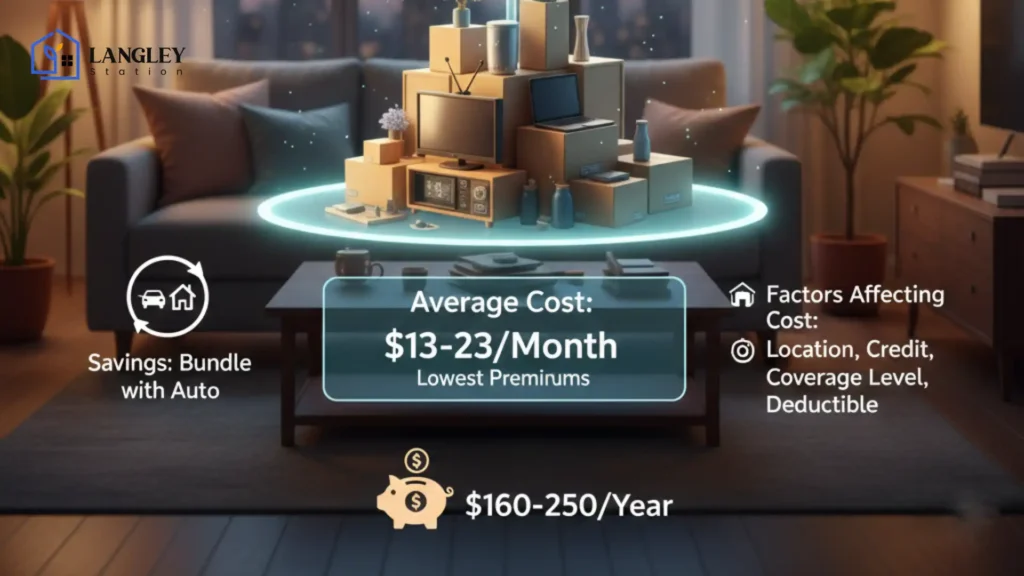
Rental insurance is also deemed to be one of those insurances that have the lowest premiums.
- Average Cost: As of 2025/2026, the average cost of renters insurance in the US ranges from $13 to $23 per month or $160 to $250 per year.
- Factors Affecting Cost: The premium you pay is based on your location, credit history, deductible level, and level of coverage (e.g., $10,000 coverage vs. $50,000 coverage).
- Savings: Purchasing your renter’s coverage and auto insurance from the same firm might result in discounts.
What Is Not Covered by Renters Insurance?
Standard policies have certain excluded risks, and this is where you may need to purchase additional coverage.
- Flood & Earthquake Damage: Damage from floods & earthquakes is rarely covered.
- Valuable Items: Jewelry, artwork, or collectibles may have a sub-limit in a policy (for example, only $1,500 for a jewelry burglary loss), and you may be required to purchase a ‘scheduled personal property endorsement’ for comprehensive coverage.
- Damage to the Building: The responsibility of damage done to the walls, floors, or structure lies with the landlord.
- Property of Roommate: Items of a roommate are not covered, unless specified within the policy.
Why Every Tenant Needs It
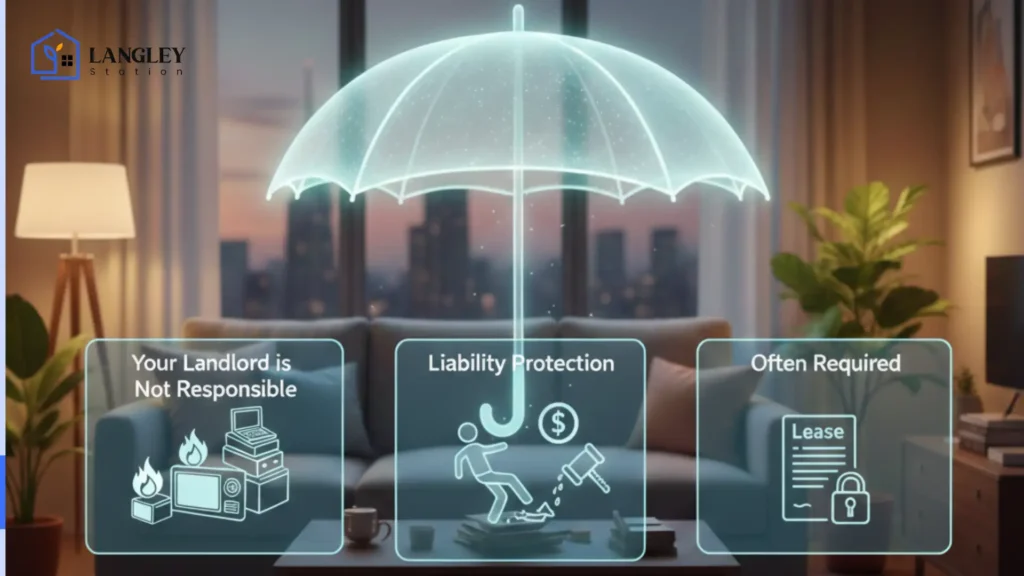
- Your landlord is Not Responsible for Your Stuff: If your stuff gets destroyed in a fire, you are responsible for replacing them, not the landlord.
- Liability Protection: A lawsuit resulting from an injury to a visitor or any damage you cause to the building-anything from running a faucet incessantly, for instance-can be financially ruinous.
- It Is Often Required: Most landlords require proof of renters insurance when the lease is signed.
- Affordable Safety Net: You can safeguard thousands of assets for the cost of a few streaming subscriptions.
Tips for Choosing a Policy
- Choose Replacement Cost Value over Actual Cash Value: It only pays for the depreciated value of your used item, while RCV covers the cost to buy a new one.
- Take a Home Inventory: Itemize your possessions and take photos. Note serial numbers to make sure you have sufficient coverage.
- Choose a Manageable Deductible: It accounts for the sum you pay out of pocket prior to the insurance taking over. A higher deductible provides a lower monthly premium.
If you are still confused, you should contact Langley Station to get expert advice. They offer a hassle-free rental finding process and will help you protect your investment with tailored insurance guidance.
Conclusion
So, what is renters’ insurance for? It is a smart and cost-effective protection that all renters should consider. From protecting your own private property to protecting you against expensive liability claims and unexpected living expenses, smart renters insurance can save you from serious financial troubles. Having flexible protection options and low-rate premiums, renters insurance provides a peace of mind that outlasts its cost.
If you are a first-time renter or renewing a lease agreement, buying the right renters insurance policy is one of the wisest decisions that will protect your home and secure your future.
Frequently Asked Questions
Renters insurance is not mandatory in most states; however, many landlords require it. Even when it is not mandatory, it is highly advisable because it will protect you financially in circumstances when the insurance of your landlord is inapplicable.
You can purchase personal property coverage in an amount that will replace all your belongings. This can simply be estimated in a home inventory. Most people purchase coverage limits of between $20,000 and $50,000 for their property and liability coverage of at least $100,000, which is ideal, but higher limits can also provide better financial protection.
Yes. Renters insurance typically protects your property even when it is outside of your apartment. If you have your laptop stolen from your car or hotel room, your insurance will pay claims for that loss.
Usually, no. Most policies encompass just the named insured. It is necessary that each roommate in the house has their own insurance unless the insurer approves more than one unrelated tenant as their policy holder.
Renters insurance can be obtained in mere minutes either online or through an insurance agent. In fact, the coverage begins instantly, or in the case of online purchases, in 24 hours, making this the fastest insurance to obtain.
Latest Content

Job Market Trends in Kentucky (Latest Insights)
The employment landscape in the Bluegrass State is shifting.... Read More

Popular Festivals and Food Events in Kentucky
Kentucky is a state full of friendly faces and... Read More

A Guide to Kentucky National Parks and Forests
Are you ready to plan a wonderful trip to... Read More

Why Kentucky Is Famous for Horses
Have you ever wondered why one state produces so... Read More

Louisville Travel Guide What to See and Do
You are thinking about visiting the famous Bourbon City... Read More

Top Universities and Colleges in Kentucky
Picking a college is a huge step for any... Read More

Top Natural Wonders of Kentucky You Should Know About
When Kentucky is mentioned, probably the first thing to come to... Read More

Why Kentucky Is Called the Bluegrass State
Have you ever wondered why Kentucky has such a... Read More

Renting in the Horse Cave and South Central Kentucky Region
Have you ever driven through Horse Cave? Probably not,... Read More

Quiet Living Between Hodgenville and Elizabethtown Kentucky
You know what's loud? The city, traffic, sirens, and... Read More
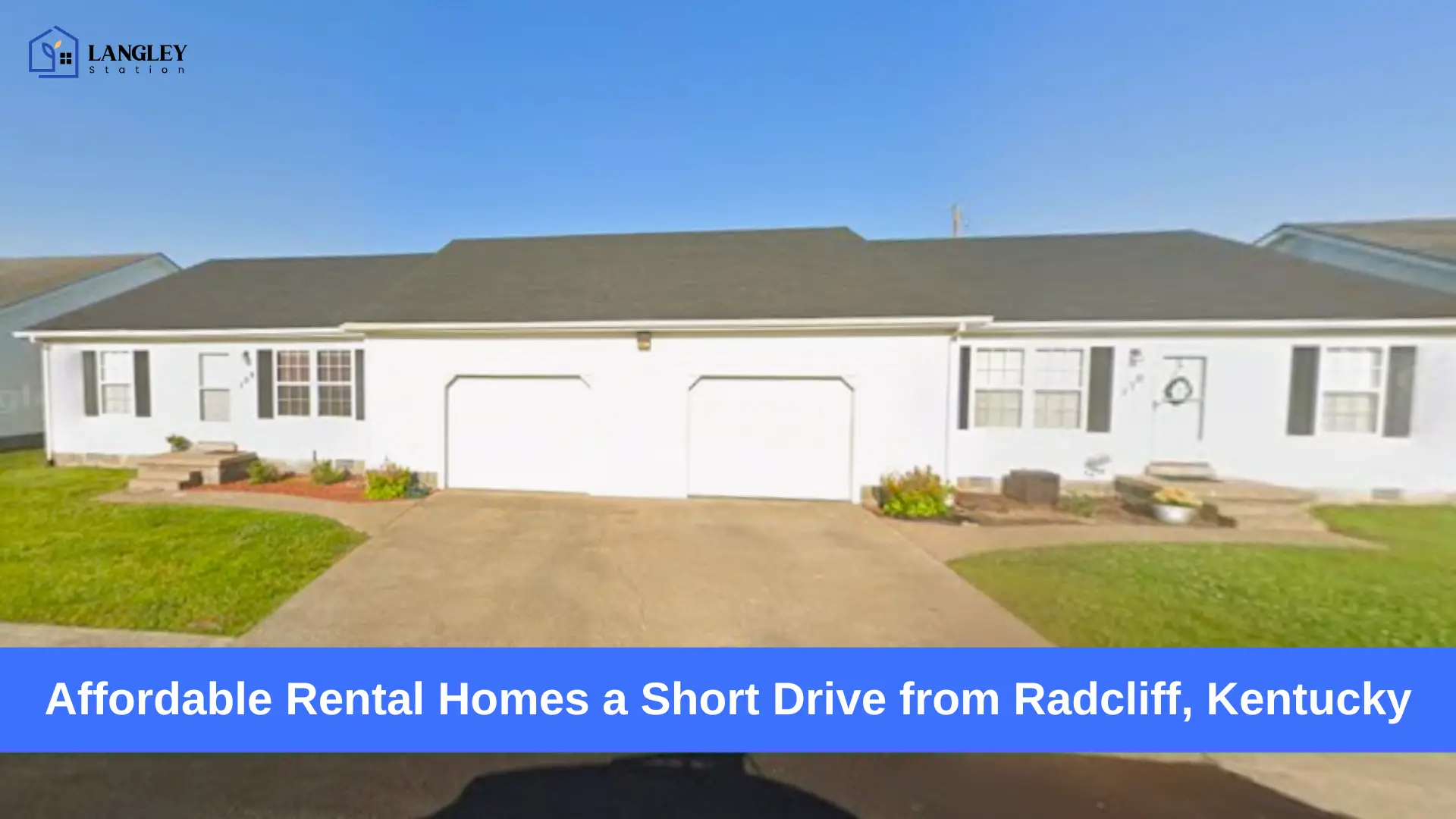
Affordable Rental Homes a Short Drive from Radcliff Kentucky
Finding a place to live that does not break... Read More

