


What Are Utilities and How Much Do Utilities Cost Per Month in an Apartment?
Moving into a new place is an exciting step. You find the perfect layout and a great view. But then you see the price. Most people look at the rent and think that is the only cost. Sadly, that is not true. You have to think about the monthly bills that keep the lights on and the water running. Understanding how much do utilities cost per month is the key to a happy home and a healthy bank account.
In 2026, the cost of living has changed. Energy prices are different than they were a few years ago. If you are a first-time renter, you might feel lost. What are utilities anyway? How much should you set aside for the average utility bill? We are here to break it all down for you.
What Are Utilities in an Apartment?
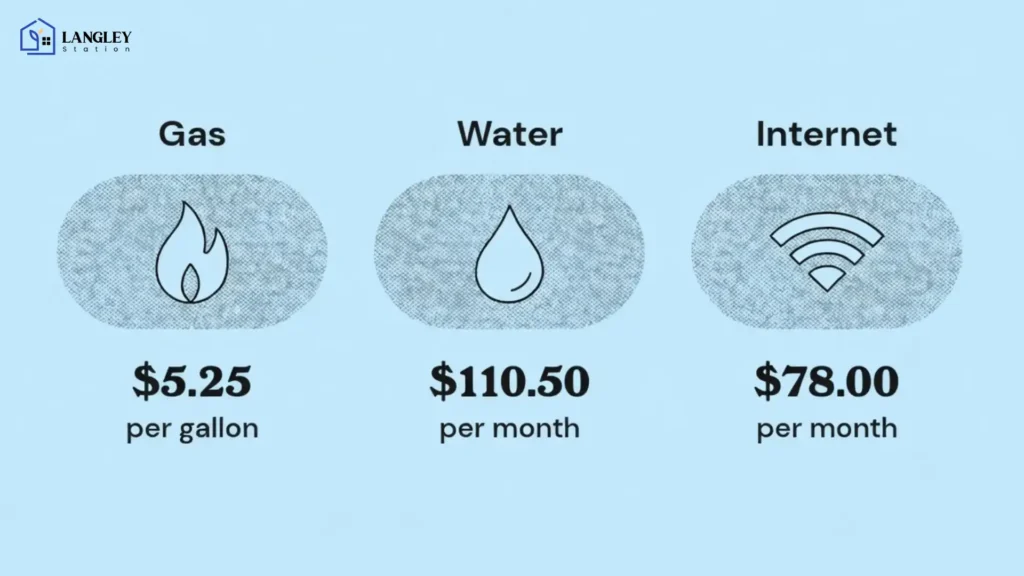
When people talk about apartment utilities, they mean the basic services you need to live comfortably. These are the systems that power your stove, heat your shower, and let you watch your favorite shows.
A standard apartment utilities list usually includes:
- Electricity: Powers your lights and electronics.
- Natural gas: Often used for heating or cooking.
- Water and sewer: For drinking, bathing, and flushing.
- Trash collection fee: For taking away your garbage.
- Internet and cable: For your web connection and TV.
Sometimes, a landlord will include some of these in your rent. This is called “utilities included in rent.” It means you pay one flat fee to the owner. Other times, you have to set up accounts with the utility companies yourself. This is common for modern apartment bills per month.
How Much Do Utilities Cost Per Month on Average?
So, how much do utilities cost per month in an apartment? For most renters in the US, the average utilities cost per month sits between $250 and $450. This wide range exists because of where you live and how much you use.
According to 2025 data, the average monthly utility cost for a single renter is about $444 when you include everything from power to web access. If you live in a larger space, your average cost of utilities will naturally go up.

Average Electric Bill for 1 Bedroom Apartment
Your electricity bill is usually your biggest monthly expense. In 2026, the average electric bill for 1 bedroom apartment is roughly $90 per month. If you live in a state with high heat, like Florida or Arizona, you might pay $130 because of the air conditioning.
For those in larger spaces, the average electric bill for 2 bedroom apartment can jump to $150 or more. This is because there are more rooms to light and cool.
Tips for Saving Money on Your Electricity Bill:
- Switch to LED bulbs. They use 80% less energy.
- Unplug your chargers when not in use.
- Use a smart thermostat to lower the air when you are at work.
What Is the Average Gas Bill?
If your apartment uses gas for heat or the stove, you will have a natural gas bill. The average monthly gas bill for a small apartment is quite low, often around $20 to $40. However, during the winter, the average gas bill can spike to $100 if you use it for heating.
Tips for Saving Money on Your Gas Bill
- Keep your curtains open during the day to let the sun warm the rooms.
- Check for drafts around your windows and use weather stripping.
Average Water Bill for 1 Bedroom Apartment
Water is often a hidden cost. Many landlords cover this, but if they don’t, you need to know the average water bill apartment dwellers face. For one person, the average water bill for 1 bedroom apartment is about $25 to $50. This usually includes the water and sewer bill combined.
Tips for Saving on Your Water Bill
- Take shorter showers.
- Only run the dishwasher when it is completely full.
- Report any leaky faucets to your landlord immediately.
How Much Is the Average Internet Bill?
In today’s world, the web is a must. The average internet bill is now around $77 per month in 2026. Prices have gone up because of faster speeds. If you want a basic plan, you might find something for $50. If you add cable TV, your apartment bills per month could easily grow by another $60.
Tips for Saving Money on Your Internet Bill
- Buy your own modem instead of renting one from the company.
- Ask for a “new customer” discount every year.
Average Cost of Utilities by Apartment Size
Size really matters when we talk about energy consumption. A studio uses less power than a big house.
| Apartment Type | Focus Keyword: utilities cost per month | Estimated Total Monthly Cost |
| Studio | $200 – $300 | $250 |
| 1 Bedroom | $250 – $400 | $320 |
| 2 Bedroom | $350 – $550 | $450 |
The average utility bill for 1 bedroom apartment is a good baseline for most young professionals. If you have a roommate, the average utility bill for 2 bedroom apartment is higher, but you get to split the cost in half! This makes the average electricity bill for 2 person household much easier to manage.
Utility Costs in KY and Beyond
Location is a huge factor. The average cost of utilities in Kentucky, for example, is often lower than in places like Hawaii or New York. In Kentucky, you might spend $350 total, while a renter in California might spend $500 for the same lifestyle.
Cost of living utilities fluctuate based on local taxes and how the power is made. States with a lot of natural resources usually have a lower average monthly gas bill.
LangleyStation offers a wonderful community for those looking for value and comfort.
Understanding Your Apartment Utility Bills Breakdown
When you get your bill, it might look confusing. Here is what you are actually paying for:
- Usage Charge: This is based on how much power or water you used.
- Delivery Fee: This is what the company charges to get the service to your door.
- Trash Collection Fee: A flat fee for waste management.
- Heating and Cooling Costs: These change the most with the seasons.
Monthly living expenses should always include a “buffer.” If you think your utilities cost per month will be $300, try to save $350. This protects you if there is a cold snap or a heatwave.
Renters Utility Expenses

When you look at a listing, ask the manager for an apartment utilities list. Some buildings include water and trash. Very few include electricity.
“Utilities included” means the landlord pays the utility companies. This makes your life simple because you only have one bill. However, the rent is usually higher to cover these costs. If you are a person who uses very little power, you might save money by paying for your own average utilities cost separately.
How Building Type Affects Your Monthly Bill?
Not all apartments are built the same way. The style of your building can change your average utilities cost per month in ways you might not expect. For example, living in a brand-new “luxury” high-rise usually means you have better insulation and modern appliances. These features help keep your average electricity bill apartment costs lower because the cold or heat stays inside where it belongs. However, these buildings often have shared amenities like gyms or pools that might lead to a higher “common area” fee on your statement.
On the other hand, older buildings have a lot of charm but can be very expensive to keep comfortable. If the windows are old and thin, your heating and cooling costs will go through the roof. You might find that the average gas bill in a drafty 1920s apartment is twice as high as a modern studio. If you are looking at an older place, ask the landlord if the units have been updated with energy-efficient windows or new HVAC systems.
Another thing to think about is your floor level. Heat rises. If you live on the top floor, you might save money on your gas bill in the winter because the units below you are warming your floor. But in the summer, that same top-floor unit will be much hotter, making your average electric bill for 1 bedroom apartment climb as the AC works overtime. Middle-floor units are often the most stable when it comes to monthly utility costs for renters.

Tips for a Smooth Move
Setting up your services is one of the most important parts of moving. If you wait until moving day, you might be stuck in a dark apartment with no water. Most companies need at least three to five business days to start your service. You should call the power, gas, and water companies about a week before your lease starts. Tell them your move-in date and give them your new address.
Be prepared for “activation fees” or deposits. If this is your first time having a bill in your name, companies might ask for a security deposit. This can add $100 or $200 to your initial apartment bills per month. The good news is that most companies return this money after a year of on-time payments.
Also, don’t forget to look into “bundled” services for your internet and cable. Sometimes you can get a better deal if you get your web and mobile phone through the same company. Keeping track of these details helps ensure your utilities cost per month stays within your budget from the very first day.
How to Calculate Your Budget?
If you want to know how much are utilities going to be, follow these steps:
- Ask the landlord for the last three months of bills for that unit.
- Check local rates for internet providers.
- Add $20 for renters insurance (often required).
- Factor in your personal habits. Do you love a hot bath? Your water bill will be higher.
Final Words
Understanding what utilities in an apartment are is the first step to being a smart renter. The focus keyword utilities cost per month is something every tenant should track. In 2026, expect to pay around $350 to $450 for all your needs in a standard apartment. By watching your energy consumption and using our tips, you can keep your average monthly gas bill and electric costs low.
Budgeting for your monthly living expenses doesn’t have to be scary. Start with the facts, use the latest 2026 stats, and you will find a place that fits your life and your wallet perfectly.
Frequently Asked Questions
What are the most expensive utilities in an apartment?
Electricity is almost always the most expensive utility, especially in the summer when you run the air conditioner. Internet is usually the second highest.
Is internet considered a utility?
Yes, in modern renting, internet is seen as an essential utility, though it is almost never included in the base rent.
How can I lower my average utility bill?
The best way to lower your bill is to use LED lights, adjust your thermostat when you leave, and fix any water leaks immediately.
Do apartments include water and trash?
Many apartments include water, sewer, and trash in the rent, but you must check your lease to be sure. Electricity and gas are rarely included.
What is the average electricity bill apartment residents pay in the winter?
If you have electric heat, your bill could double in the winter. If you have gas heat, your electric bill might stay low, but your gas bill will go up.
How much are utilities for a 2-bedroom apartment?
A 2-bedroom apartment usually costs between $400 and $600 per month for all utilities, depending on the number of people living there.
Latest Content
What Are Utilities and How Much Do Utilities Cost Per Month in an Apartment?
Moving into a new place is an exciting step.... Read More

Kentucky Housing Market Trends for Renters in 2026
Finding a place to live in the Bluegrass State... Read More
What Does Prorated Rent Mean? How to Calculate
Moving into a new place is a big deal.... Read More

Best Nearby Towns to Live If You Work in Edmonson County KY
Securing a job in Edmonson County, Kentucky, whether at... Read More

Looking for Rentals in Caneyville, KY? Discover Affordable Homes
Finding a place to live these days can feel... Read More

What is Renters Insurance and Why is It Necessary for Every Renter?
Many individuals are wary about the use of insurance... Read More

Month to month apartments for rent near Ohio KY by owner
Finding the right place to live can feel like... Read More

Best places to live for remote workers in Grayson County KY in 2026
If you can work from anywhere, why are you... Read More
Amazing 2-3 Bedroom Rental Apartments Near Leitchfield in Grayson County
Finding the perfect home feels like searching for a... Read More

Why Grayson County Is One of the Most Affordable Places to Live in Kentucky
Finding a place where your dollar stretches further feels... Read More
Amazing Rental Apartments for Commuters Near Glendale and Eastview
Finding the perfect place to live is hard work.... Read More

